The Sovereign Glow: Privacy and Precision in 2026 Clinical Beauty Tech
Key Takeaways
- Clinical beauty tech (LED masks, smart mirrors) collects highly sensitive biometric data that is often leaked to third-party advertisers.
- Biometric Sovereignty: Your facial scans and skin health history should be processed via local-first AI, not sent to a manufacturer's server.
- 2026 Trend: The rise of 'Open Hardware' beauty devices that allow users to control treatment protocols without a subscription.
- Actionable Audit: Use our local-first Python script to analyze skin inflammation without uploading photos to the cloud.
The Sovereign Glow: Privacy and Precision in 2026 Clinical Beauty Tech
“Your face is your ultimate identifier. In 2026, letting a beauty app ‘analyze’ your skin on their server is the equivalent of handing over your biometric passport to a marketing firm.”
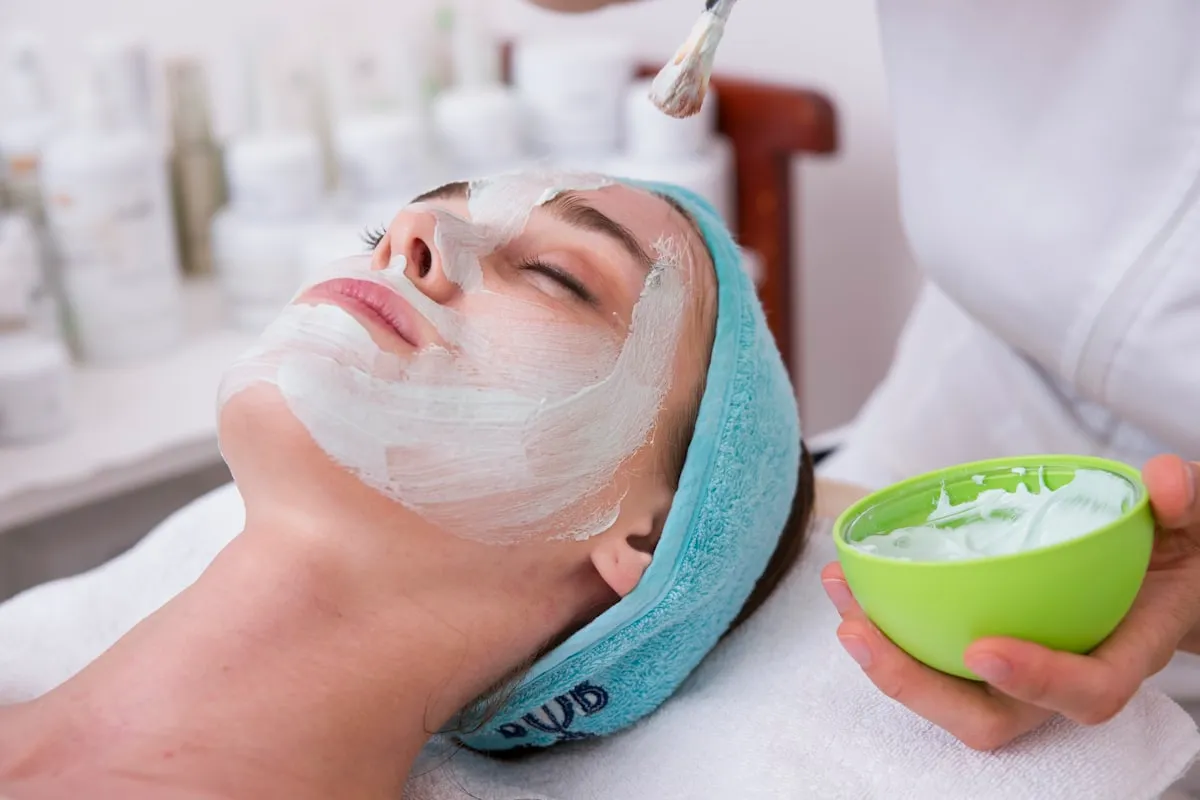
The beauty industry has undergone a radical transformation. We have moved beyond topical creams into the era of Clinical Beauty—where LED therapy, microcurrent devices, and AI-driven smart mirrors are as common as lip balm. But this “Glow Up” comes with a significant privacy shadow.
Most high-tech beauty devices today are “Cloud-Tethered.” They require an app, a login, and a constant connection to a server that stores high-resolution photos of your face. In the sovereign tech era of 2026, this is no longer acceptable.
Part 1: The Biometric Risks of Clinical Beauty
When you use a “Smart Skin Analyzer,” you aren’t just getting a routine; you are providing:
- High-Resolution Facial Mapping: Used for identifying age, health status, and even emotional state.
- Health Metadata: Skin conditions (acne, rosacea) are medical data points that can impact insurance premiums if leaked.
- Behavioral Patterns: When and where you perform your routines.
The Sovereign Alternative
Sovereign beauty tech prioritizes On-Device Inference. The AI that analyzes your pores should live in the mirror’s hardware, not in a data center in Virginia.
Part 2: The 2026 Beauty Sovereign Matrix
We’ve audited the leading “Clinical Beauty” brands based on their data exit paths and hardware flexibility.
| Brand | Device Type | Local-First? | Sovereign Score |
|---|---|---|---|
| Foreo (2026 models) | Microcurrent | Yes (Offline Mode) | 8/10 |
| Dyson Skincare | LED/Atmospheric | No (App Required) | 4/10 |
| OpenMirror Project | Smart Mirror | Full Sovereignty | 10/10 |
| L’Oreal Perso | Custom Formula | No (Cloud AI) | 3/10 |
Part 3: Technical Implementation - Local Skin Audit
Instead of using a proprietary app, developers and privacy-conscious users are turning to local-first vision models. Below is a Python snippet using OpenCV to perform a basic “Redness Audit” (inflammation detection) locally. No data ever leaves your machine.
import cv2
import numpy as np

def analyze_skin_inflammation(image_path):
    # 1. Load image locally (No cloud upload)
    img = cv2.imread(image_path)
    if img is None:
        return "Error: Image not found."

    # 2. Convert to HSV for better color segmentation
    hsv = cv2.cvtColor(img, cv2.COLOR_BGR2HSV)

    # 3. Define range for 'Skin Redness' (Inflammation)
    # These values target the red spectrum of the skin
    lower_red = np.array([0, 50, 50])
    upper_red = np.array([10, 255, 255])

    mask = cv2.inRange(hsv, lower_red, upper_red)

    # 4. Calculate ratio of redness to total pixels
    redness_ratio = np.sum(mask) / (img.shape[0] * img.shape[1])

    print(f"--- Local Beauty Audit ---")
    print(f"Inflammation Index: {redness_ratio:.4f}")

    if redness_ratio > 0.06:
        return "Status: High Inflammation detected. Suggest local LED Blue Light protocol."
    else:
        return "Status: Skin Stable. Continue sovereign hydration routine."

# Usage
# result = analyze_skin_inflammation('my_face_local.jpg')
# print(result)
Part 4: Building a Sovereign Beauty Routine
To reclaim your beauty data in 2026, follow these three pillars:
- Air-Gapped Devices: Prioritize devices that work without an internet connection. If a device requires an app to turn on, it is a liability.
- Local-First Smart Mirrors: Build or buy mirrors based on Raspberry Pi or NVIDIA Jetson that run local models for skin analysis.
- Data Sanitization: If you must use a cloud-connected device, use a “Burner” identity and ensure the app has no access to your location or contacts.
Summary: Beauty is Sovereign
Clinical beauty is about empowerment, not surveillance. By choosing local-first hardware and auditing your devices’ data paths, you can achieve professional-grade results without sacrificing your biometric identity.
Next Steps:
- Check if your current LED mask has an “Offline Mode.”
- Run the Local Skin Audit script on a test image.
- Support open-hardware beauty projects on GitHub.

Comments
Similar Articles

Sleep Sovereignty: Building a Local-First Sanctuary
Why sleep data is your most intimate biometric and how to protect it. We analyze local-first smart home tech (mmWave, Zigbee) and its role in optimizing REM cycles in 2026.
The Longevity Sovereign: Using Local-First AI to Extend Your Lifespan
In 2026, longevity is no longer a cloud-based luxury. Discover how to build a personalized longevity protocol using local-first AI and sovereign biometric auditing.

Biometric Surveillance: The ethics of facial recognition in 2026 Smart Glasses
As Smart Glasses go mainstream in 2026, the battle between public safety and personal privacy moves to our literal line of sight.