
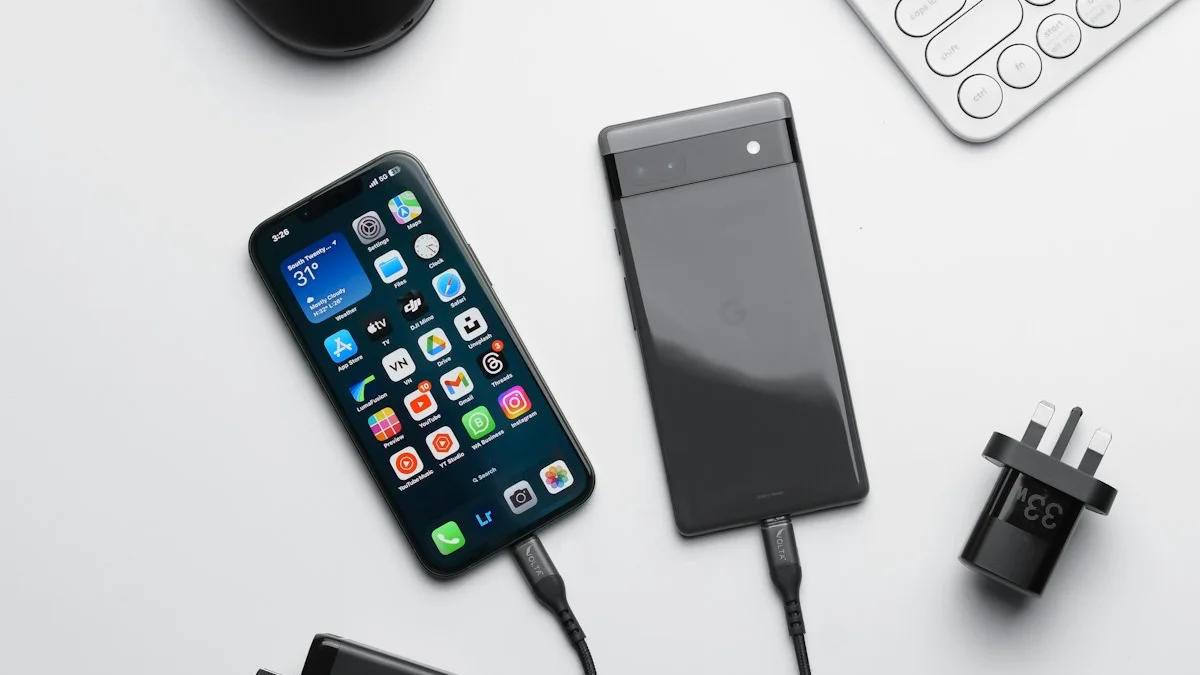
The real cross-platform messaging story in 2026 is about trust, not just apps
Google Messages and Apple’s latest iOS 26.5 beta are finally moving RCS encryption out of the experimental lab and into a real rollout path. That means the green bubble/blue bubble divide is starting to look less like a brand war and more like a conversation about whether carriers can be trusted with privacy.
This is a bigger shift than it looks on the surface. For years, Apple’s Messages team treated cross-platform chat as a compromise experience. Now the company is embracing the same RCS encryption standard that Android carriers and Google have already built around.
For a closer look at Apple’s launch timing and the green bubble privacy story, see our companion report on iOS 26.5 private RCS encryption.
What changed in the latest Apple and Google story
- Apple confirmed iOS 26.5 will include “End-to-end encrypted RCS messaging (beta)” in Messages.
- Google Messages already supports RCS encryption on Android, and the two ecosystems are now aligned on the same protocol layer.
- A lock icon will appear in encrypted RCS chats, making it visible when the connection is private.
- Apple’s feature is still carrier-limited and beta, while Google Messages has already rolled RCS out more broadly.
Why this matters for cross-platform privacy
In 2026, secure messaging is moving from app-level lock-in to protocol-level trust. That is good news in one sense: it makes cross-platform secure chat possible without forcing people to choose a separate app.
But it also changes the threat model. Instead of trusting a single company, users must now trust a combination of carriers, GSMA standards, handset makers, and app developers. That can be a weaker trust model than an app built from the ground up for sovereignty.
If you want to compare secure alternatives, our detailed breakdown of Signal vs WhatsApp vs Telegram is the place to start.
The upside: better privacy for ordinary conversations
For ordinary users, the biggest improvement is simple:
- No more automatic fallback to SMS for Android contacts.
- No more assuming green bubble means insecure chat.
- A visible lock icon in Messages means users can see when their cross-platform chat is encrypted.
That is an important step forward. It makes smartphone messaging feel more private without asking people to download a new app or learn a new workflow.
The downside: a new kind of dependency
The new RCS encryption story still has three important caveats:
- Carrier dependency: The feature only works on supported carriers, which means availability will vary by country and operator.
- Protocol dependency: The encryption is part of the RCS standard, not a standalone “sovereign chat” protocol. That means the GSMA and carrier operators are still part of the trust chain.
- Beta status: Apple is launching the feature as beta, so it may still change before it reaches the broader public.
These limits mean the Google Messages / Apple RCS alignment is a meaningful privacy advance, but not a complete answer to the question of who controls secure chat.
What users should do now
- If you can, switch from SMS to RCS on Android and keep your iPhone updated to iOS 26.5.
- Watch for carrier compatibility announcements from Apple and your network operator.
- Remember that a lock icon is good, but metadata and transport-level trust still matter.
For users who want truly sovereign messaging, the safer path is still encrypted apps designed with minimal metadata collection and a clear independent key model.
What to do next
The RCS privacy dispute is a reminder that messaging architecture determines privacy outcomes more than policy language does. If your communication platform sends metadata to a third-party server even when messages are encrypted in transit, the privacy architecture has a hole that no terms-of-service update will close. Choose platforms where the architecture enforces the privacy guarantee, not just the contract.
How to apply this
Use the RCS privacy dispute to audit your messaging stack. For every communication channel that touches sensitive information, ask whether encryption is end-to-end and under whose key management it operates. If the answer is a platform provider, you have an open exposure that a policy change or legal order could exploit.
What this means for your next phone upgrade
If your next phone purchase is in 2026, this story means privacy is no longer just a feature decision — it is a platform decision. Android’s RCS ecosystem is now the baseline for cross-platform secure chat, while iPhone becomes more attractive if you want a green bubble that can actually be private.
Why this is a trending story
The RCS encryption rollout is trending because it hits three hot topics at once:
- Apple vs Android interoperability.
- Privacy upgrades in a major mobile OS release.
- The growing demand for secure, cross-platform communication.
If the launch goes smoothly, this will be one of the most talked-about privacy stories of mid-2026. If it stumbles on carrier support or UX inconsistencies, it will become an even bigger lesson in how hard it is to make cross-platform privacy work at scale.
Share this: Apple and Google are finally aligning on encrypted RCS, but the carrier trust model still matters.
Frequently Asked Questions
What is the simplest first step to improve my digital privacy?
Start with your browser and search engine. Switch to Firefox with uBlock Origin, and use a privacy-first search engine like Brave Search or DuckDuckGo. This alone eliminates the majority of passive tracking.
Is true privacy online possible in 2026?
Complete anonymity is extremely difficult, but meaningful privacy is achievable. Using a VPN, encrypted messaging, and privacy-respecting services dramatically reduces exposure. The goal is data minimisation, not perfection.
What is the difference between privacy and security?
Privacy is about controlling who sees your data. Security is about protecting data from unauthorised access. Sovereign tech prioritises both together.
Sources & Further Reading
- Privacy Guides — Community-vetted privacy tool recommendations
- EFF Surveillance Self-Defense — Practical guides to protecting your digital privacy
- Electronic Frontier Foundation — Advocacy and research on digital rights